Starting a new business comes with no shortage of decisions. From naming your brand to setting up finances and attracting customers, many things on the to-do list are competing for your attention. Somewhere on that list sits “build a website,” and for many new business owners, that’s where things start to feel overwhelming.
The idea of a website often brings up questions like: How many pages do I need? What should it say? What if I get it wrong? As a result, some businesses delay launching their website altogether, waiting until it’s perfect or at least feels “ready.”
The reality is much simpler. Your first business website doesn’t need to be perfect. It doesn’t need to outline every feature, have pages, or all the pieces of content figured out from day one. What it really needs is to exist!
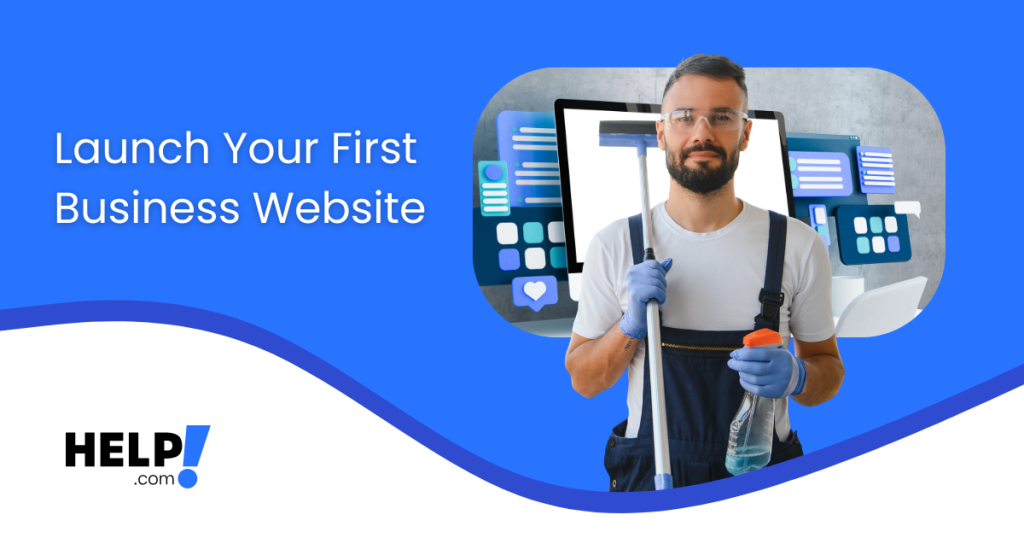
With modern tools like the Help.com AI Website Builder, getting online no longer requires technical skills, design experience, or weeks of planning. The goal isn’t to build your final website on day one, but create a solid starting point to improve as your business grows.
Why simple beats perfect every time
One of the biggest misconceptions about websites is that they are static, but that’s not true; good websites should evolve alongside your business growth. You wouldn’t wait until every service, process, and system was flawless before opening your doors, and your website should follow the same mindset.
Launching early gives you credibility straight away, as the sooner you go live, the quicker your domain and website gain credibility and improve search engine rankings. It also allows customers to find you online, learn what you do, and contact you easily, and removes the mental pressure of “building a website”. The goal is to go live and add continual improvements.
Starting simple helps you avoid overthinking, overspending, and delaying progress. It also lets real customer behaviour guide your future updates, rather than guesses made before you’ve even launched.
The Home page: where everything begins
Your Home page is the foundation of your website. It’s often the first place people land, and within seconds, they decide whether they’re in the right place.
A good Home page doesn’t try to say everything. Instead, it clearly explains what your business does, who it’s for, and how it helps. Visitors should immediately understand why they’re there and what to do next.
Using Help.com’s FREE AI website builder, you can generate a professional Home page by answering a few simple prompts about your business. The layout, structure, and wording are handled for you, removing the guesswork and helping you get online fast.
At launch, your Home page only needs to guide people towards one or two actions, whether that’s contacting you, requesting a quote, or learning more about your services. Clarity is far more important than trying to be overly clever.
Starting with a Home page is enough! The goal is to customise and add extra pages when you are ready and as your business grows.
The About page: Helping Build Trust
Once someone understands what you do, the next thing they usually want to know is who you are. This is where your About page comes in.
Your About page isn’t a resume or a corporate mission statement. It’s a chance to show there’s a real person or team behind the business. A short, genuine story about why you started, who you help, and how you work goes a long way in building trust.
People don’t expect perfection here. They’re simply looking for reassurance that you’re credible, approachable, and legitimate. Even a brief About page can be incredibly effective if it feels honest and human.
The Services Page: Clear and Uncomplicated
Your Services page exists to remove confusion. Visitors should be able to understand what you offer without having to decipher industry jargon or long explanations.
For a first website, it’s best to focus on your core services only. You don’t need to list every possible option or future offering. A clear description of what you do, who it’s for, and the value it provides is more than enough at launch.
As your business grows, this page can be expanded, refined, or reorganised. With flexible website tools, you’re never locked into your first version.
The Contact Page: Make it Easy for Customers to Reach You
No matter how simple your website is, one page is essential: Contact.
If someone wants to get in touch, they shouldn’t have to search for your details. A straightforward Contact page with a form, email address, phone number (if applicable), and service location helps remove friction and encourages enquiries.
Adding a short, friendly message inviting people to reach out can make a big difference. It reassures visitors that contacting you is welcome and expected.
The Optional Extras
Many new business owners feel pressure to launch with everything at once — blogs, booking systems, online payments, extensive policy pages, and more. While these features can be valuable, they’re not required to get started for most websites.
In fact, trying to build everything upfront is one of the main reasons websites never get launched. These additions are best introduced gradually, once your site is live and your business needs them.
An email sign-up form is one optional feature worth considering early. Even a simple form allows you to start building a list of interested customers, which can be incredibly valuable down the track. That said, it’s not essential on day one.
Why Launching Sooner is Smarter
A live website gives your business a home online. It creates credibility, supports marketing efforts, and allows customers to find you at any time, even outside business hours.
More importantly, launching removes the mental barrier that stops many business owners from moving forward. Once your site is live, improvements feel manageable instead of overwhelming.
Tools like Help.com’s AI Website Builder are designed to support this mindset. They help you get online quickly, without stress, so you can focus on running your business instead of wrestling with technology. Because we use the globally recognised WordPress platform, it’s easy to use and update anytime.
Start Now, Improve later
Your first website is not your final website, and that’s exactly how it should be.
The businesses that succeed online aren’t the ones that wait for perfection. They’re the ones that launched early, learned from real customers, and improved over time.
If you’re just starting, aim for progress, not polish. A simple website with the right pages can open doors, create opportunities, and support your growth from day one.
Frequently Asked Questions
How many pages do I really need for my first business website?
You can launch with as little as one page, but most new businesses are best starting with four core pages: Home, About, Services, and Contact. This gives visitors enough information to understand what you do, trust your business, and get in touch. Anything beyond that can be added later once your site is live.
Can I update my website after it goes live?
Yes — and you should expect to. Your website is not a one-time project; it’s something you’ll update and improve as your business grows. With modern tools like the Help.com AI Website Builder, you can easily add pages, change wording, update services, or refresh your design without needing technical skills.
What if I launch my website and it’s not perfect?
Most successful business websites didn’t start perfectly; more importantly, they went live. Launching early allows customers to find you, gives your business credibility, and provides real-world feedback you can use to improve. Waiting for perfection often leads to unnecessary delays, while small improvements can always be made over time.
 Domains
 Company